







Technical and Vocational Education and Training (TVET) stands as one of the most powerful instruments for transforming societies, building economies, and shaping the future of nations. In Ethiopia, where the demographic profile is dominated by young people with immense potential, the role of TVET in driving sustainable development cannot be overstated. TVET is not simply about teaching skills; it is about empowering citizens, stimulating innovation, and creating pathways toward inclusive growth and national competitiveness.
TVET as a Driver of Human Capital Development
No nation can achieve lasting development without investing in its people. TVET equips learners with practical skills, competencies, and mindsets that enable them to thrive in dynamic labor markets. Unlike conventional education models that may be theoretical in nature, TVET ensures that graduates are work-ready, entrepreneurial, and adaptable. By bridging the gap between education and employment, TVET contributes directly to reducing youth unemployment and underemployment, which are among the pressing challenges in Ethiopia.
Enhancing National Competitiveness
In an increasingly globalized economy, competitiveness is determined not only by natural resources but also by the quality of a nation’s workforce. TVET produces skilled technicians, artisans, innovators, and entrepreneurs who drive productivity across sectors—manufacturing, agriculture, construction, ICT, renewable energy, and more. Countries that have successfully industrialized, such as Germany, South Korea, and China, owe much of their progress to strong TVET systems. For Ethiopia, strengthening TVET means building a workforce that can compete globally while responding to local development needs.
Supporting Industrialization and Technology Transfer
Ethiopia’s vision of becoming a manufacturing hub in Africa relies heavily on the availability of competent technical professionals. TVET institutions serve as the backbone of industrialization by training individuals who can operate, maintain, and innovate within industries. Moreover, TVET plays a critical role in facilitating technology transfer—helping industries adopt new technologies while ensuring that local expertise is developed to sustain and expand them.
Promoting Inclusive and Sustainable Development
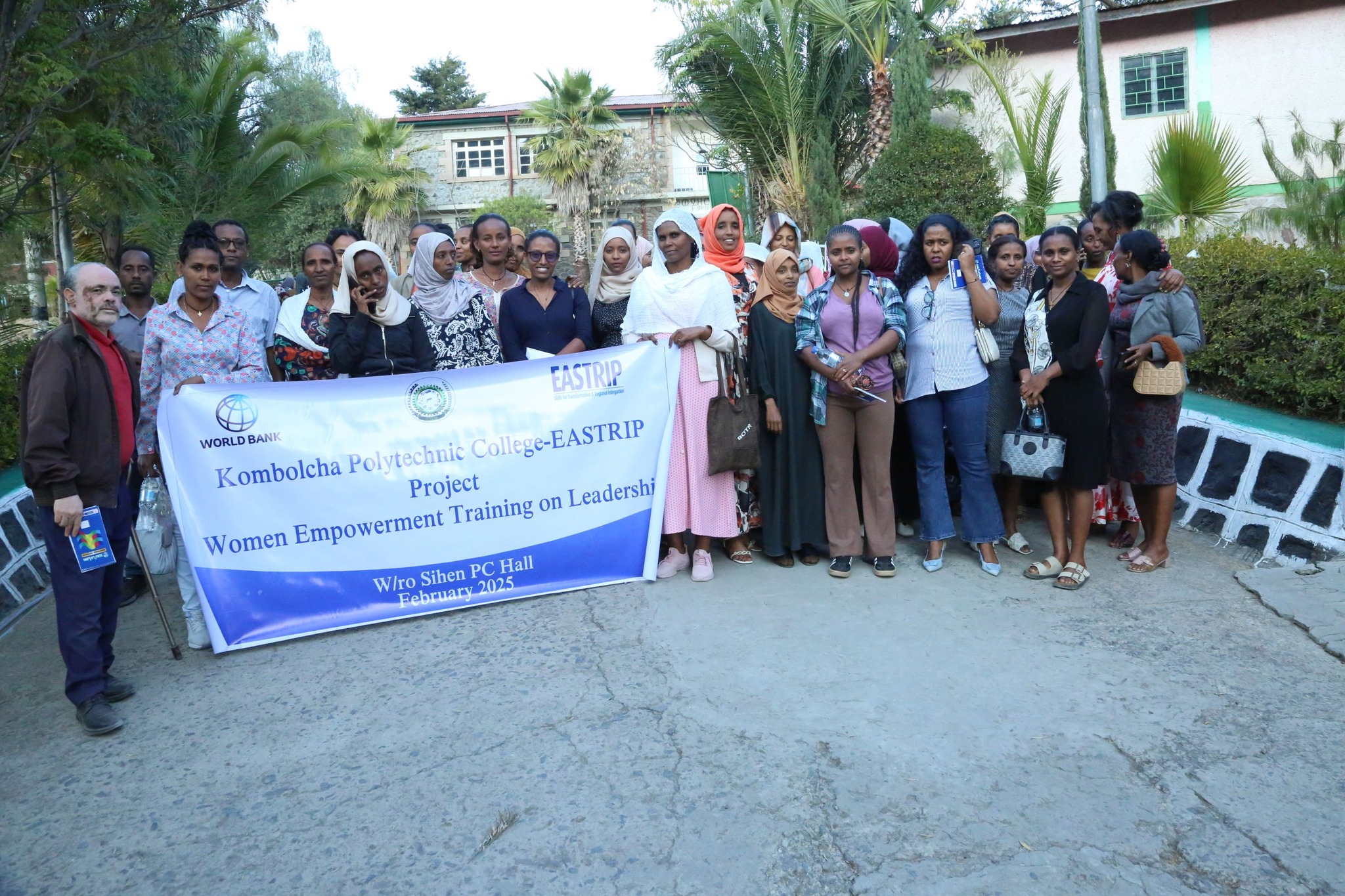
TVET also carries a strong social mission. It empowers marginalized groups, including women, rural youth, and people with disabilities, by offering them skills that enhance employability and entrepreneurship. This inclusivity ensures that development is not concentrated in a few hands but spread across communities. Furthermore, with the growing focus on green skills and environmentally friendly technologies, TVET is uniquely positioned to prepare a workforce that supports Ethiopia’s transition to a sustainable economy.
Building Entrepreneurial Capacity
Beyond preparing job seekers, TVET nurtures job creators. Entrepreneurship training within TVET curricula enables graduates to establish their own enterprises, thereby reducing dependency on limited formal employment opportunities. This entrepreneurial culture not only enhances self-reliance but also fosters innovation and strengthens local economies.
The Way Forward
To fully harness the potential of TVET, Ethiopia must continue to:
Align TVET programs with national development priorities and labor market demands.
Strengthen partnerships between TVET institutions, industries, and communities.
Invest in infrastructure, modern equipment, and qualified trainers.
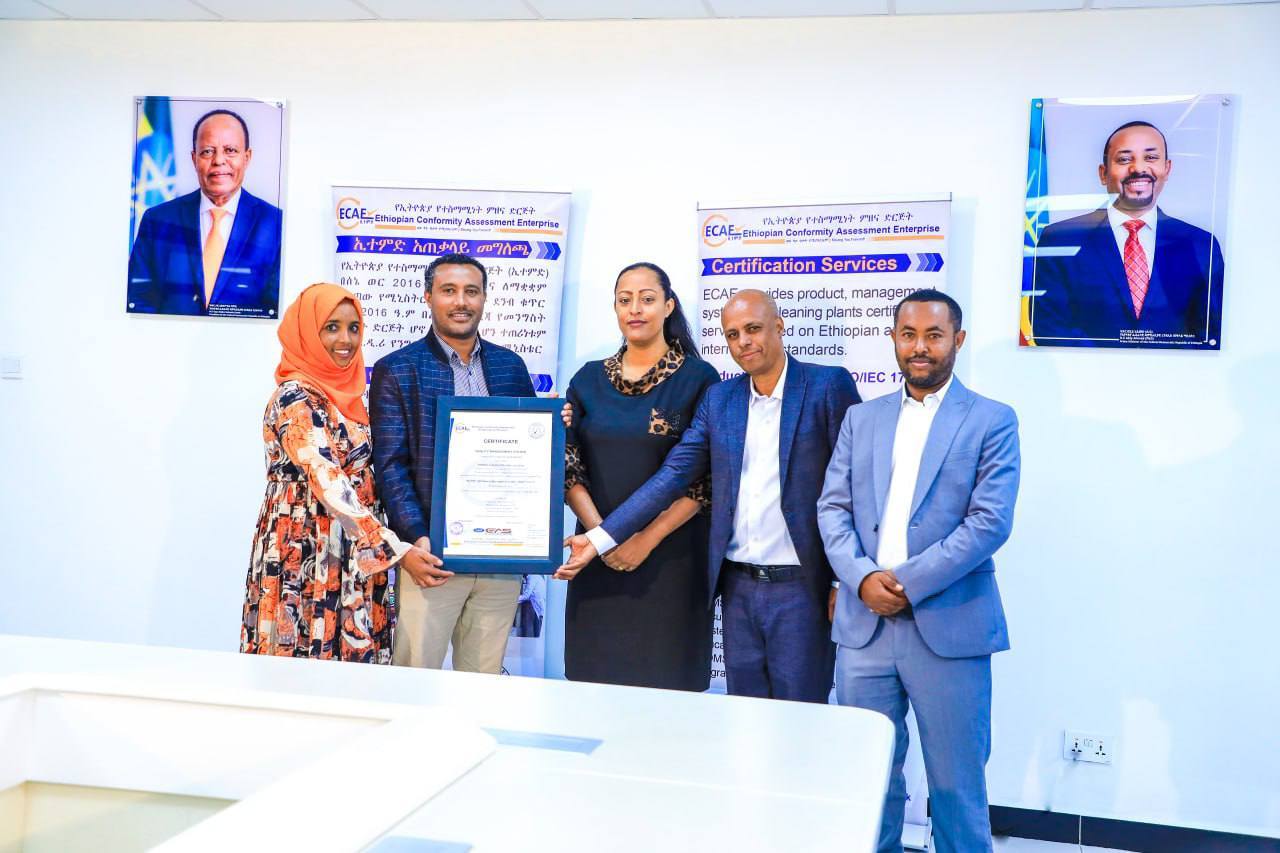
Promote continuous improvement through quality assurance mechanisms such as ISO 9001:2015.
Encourage innovation, research, and integration of digital technologies into TVET delivery.
Conclusion
The strategic importance of TVET in national development is clear: it builds human capital, drives industrialization, fosters entrepreneurship, and promotes inclusive growth. As a nation striving for sustainable development and global competitiveness, Ethiopia must continue to prioritize and invest in TVET. At Kombolcha Polytechnic College, we remain committed to playing our part in this transformative journey by producing competent, innovative, and responsible graduates who will shape the future of Ethiopia.